Choose High-Performance Brake Calipers That Match Your Vehicle
As someone who works with Mercedes-Benz vehicles every day here at Mercedes-Benz of Arrowhead in Peoria, AZ, I can tell you that the right brake calipers can improve braking consistency, pedal feel, and confidence behind the wheel. The key is to choose high-performance brake calipers that match your vehicle, your driving habits, and your performance goals. Bigger or more expensive isn’t always better. Let’s look at what you should know before making a decision.
What Do Brake Calipers Do?
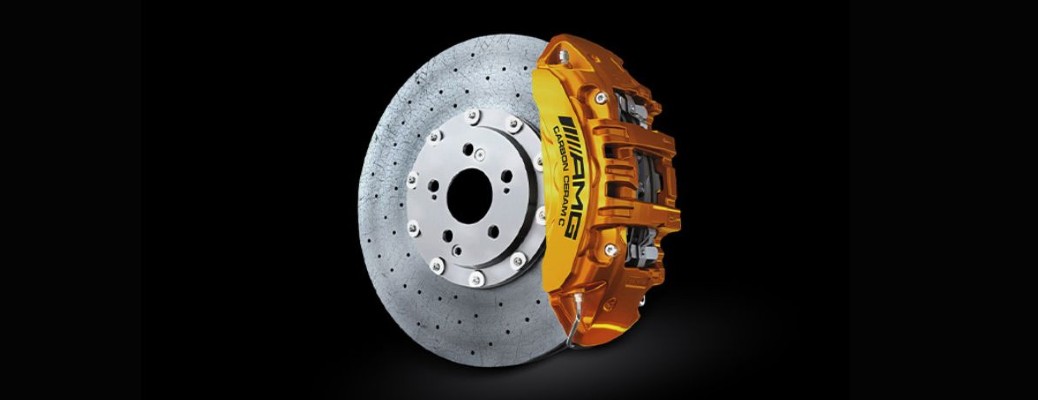
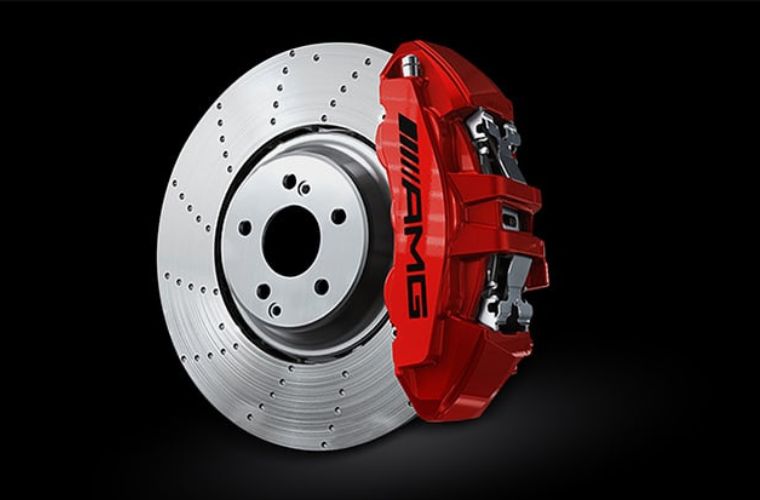
Brake calipers are responsible for squeezing the brake pads against the brake rotors whenever you press the brake pedal. That friction slows and eventually stops your vehicle. High-performance brake calipers apply pressure more evenly while handling higher temperatures than standard calipers. This helps reduce brake fade during spirited driving or repeated hard stops.
Should You Upgrade Your Brake Calipers?
Not every driver needs a racing-inspired brake setup. Before you choose high-performance brake calipers, consider how you use your vehicle. A performance brake upgrade may be a good fit if you:
- Frequently drive on mountain roads
- Enjoy spirited weekend driving
- Attend track days or performance driving events
- Tow with an SUV that sees demanding conditions
- Want more consistent braking performance
If you mainly commute around Phoenix, your factory Mercedes-Benz braking system may already provide everything you need. However, if you regularly push your vehicle harder, upgraded components can make a noticeable difference.
Different Types of Brake Calipers: Fixed Versus Floating Brake Calipers
Understanding the different brake caliper designs can help you choose the right option.
Floating Brake Calipers
Floating calipers are commonly found on many production vehicles. They use one or two pistons on one side of the rotor and slide into position as braking pressure is applied. Advantages include:
- Lower cost
- Lightweight design
- Easier maintenance
- Reliable everyday performance
These are an excellent choice for many luxury vehicles used primarily for daily driving.
Fixed Brake Calipers
Fixed calipers remain stationary while pistons on both sides of the rotor apply even pressure to the brake pads. Benefits include:
- Improved braking response
- More even pad wear
- Better heat management
- Increased stopping consistency
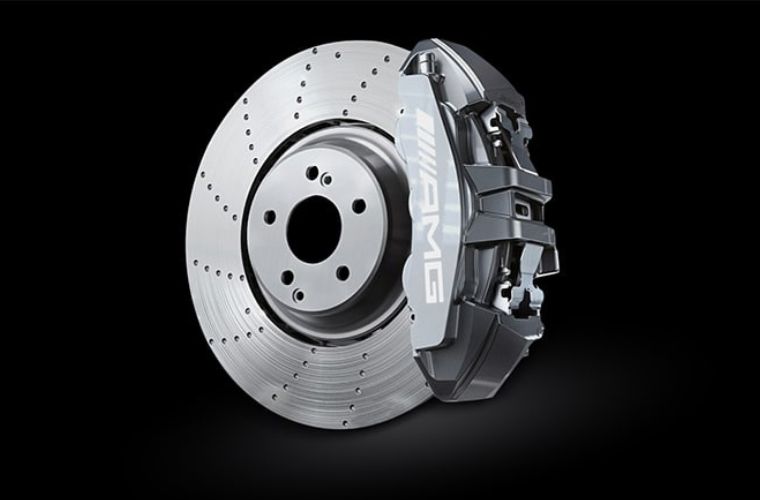
Many high-performance Mercedes-AMG® models feature fixed multi-piston brake calipers because they deliver stronger, more predictable braking under demanding conditions.
How Many Pistons Do You Need?
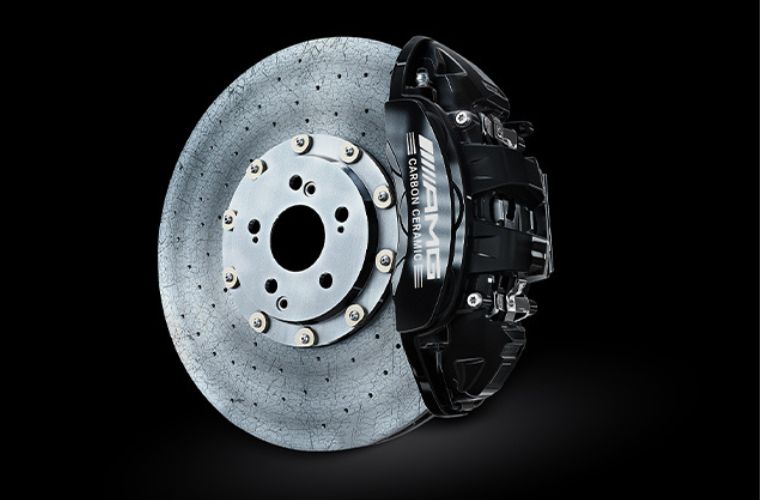
You’ll often hear people mention four-piston, six-piston, or even eight-piston brake calipers. More pistons can distribute braking force more evenly across the brake pads. However, bigger isn’t always better. Your brake system should be matched to your vehicle’s weight, tires, suspension, and intended use.
Selecting the Best Brake Caliper Material: Cast Iron Versus Aluminum Brakes
Brake calipers are typically made from either cast iron or aluminum.
Aluminum
Aluminum calipers are lighter, which helps reduce unsprung weight. This can improve steering response, suspension performance, and overall handling. Many premium performance brake systems use forged aluminum calipers because they combine strength with reduced weight.
Cast Iron
Cast iron calipers are durable and affordable. They perform well for everyday driving and can withstand years of regular use.
OEM vs. Aftermarket Brake Calipers
Many luxury vehicle owners ask whether they should choose OEM or aftermarket brake calipers. OEM components are engineered specifically for your Mercedes-Benz model. They provide factory-tested fitment, performance, and compatibility with your vehicle’s electronic safety systems.
Aftermarket performance brake calipers can offer additional braking capability for drivers with specialized performance goals. However, it’s important to select high-quality components for your vehicle. If you’re unsure which option fits your needs, our service team can help you compare available choices based on your driving habits and budget.
Frequently Asked Questions About High-Performance Brake Calipers
Many models can be upgraded, but compatibility depends on your vehicle’s braking system, wheel size, suspension, and other components. We recommend confirming fitment before purchasing parts.
Floating calipers move slightly during braking and are common on many passenger vehicles. Fixed calipers remain stationary and often provide more consistent braking during repeated hard stops.
Aluminum calipers weigh less than cast-iron versions while maintaining excellent strength. Reducing unsprung weight can improve handling and suspension performance.
In some cases, yes. New brake pads help ensure proper contact with the rotors and allow the upgraded calipers to perform as intended.
Common warning signs include uneven brake pad wear, pulling while braking, fluid leaks near the wheels, sticking brakes, unusual noises, or a soft brake pedal.
Visit Mercedes-Benz of Arrowhead for Brake Service near Phoenix
If you’re considering high-performance brake calipers for your Mercedes-Benz, we’d be happy to help. Our team can inspect your current braking system, discuss your driving habits, and recommend the right combination of brake calipers, pads, and rotors for your vehicle.
Whether you drive a luxury sedan, coupe, SUV, or high-performance Mercedes-AMG® model, we’ll help you choose braking components that deliver the performance and confidence you’re looking for.