How Do Changing Fall Temperatures Affect Mercedes-Benz Tire Performance?
Fall brings cooler mornings, crisp evenings, and a noticeable change in the way tires behave. But how do changing fall temperatures affect Mercedes-Benz tire performance? Mercedes-Benz of Arrowhead in Peoria, AZ, encourages drivers to pay attention as the mercury dips because colder air can change tire pressure, traction, and handling.
Read More – What Causes a Vehicle to Shake While Idling?
Why Does Tire Pressure Drop in Cooler Weather?
Here’s a simple bit of tire science: colder air takes up less space.
As temperatures fall, the air inside a tire contracts, which can lower its pressure. Even a moderate overnight temperature drop can cause the tire-pressure reading to change.
That matters because underinflated tires can affect steering response, braking, tread wear, and fuel efficiency. Checking tire pressure regularly during the fall can help keep those factors in check.

Read More – Why Hybrid Battery Cooling System Maintenance Matters
How Do Colder Roads Affect Mercedes-Benz Tire Grip?
Temperature changes can also influence how tires interact with the pavement.
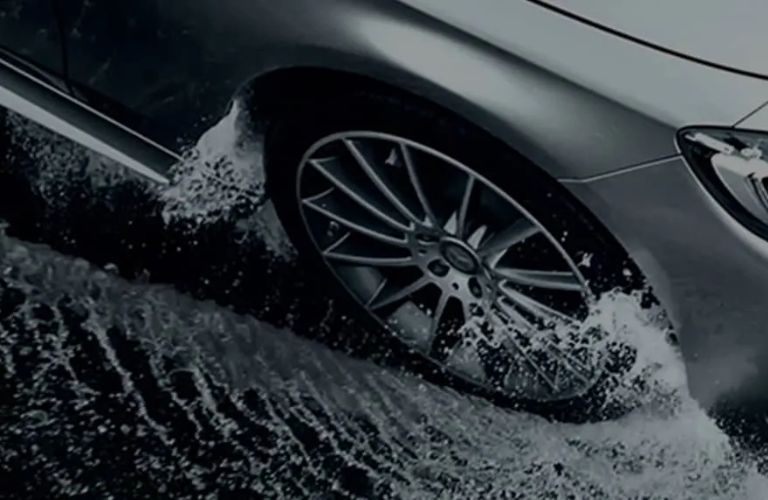
Cooler roads may provide a different level of grip than warm, dry pavement. Wet leaves, rain, and chilly mornings can add another layer to the driving conditions.
Tire tread plays an important role here. Adequate tread depth helps channel water away from the contact patch, while properly inflated tires help maintain consistent contact with the road.
Drivers may notice subtle changes in steering feel or road response as conditions shift. That’s a good reason to stay attentive rather than waiting for a warning light.
Read More – What Causes Suspension Squeaks and Creaks?
What Should Mercedes-Benz Drivers Check in Fall?
A quick seasonal tire check can go a long way.
Check all four tire pressures when the tires are cold and compare the readings with the vehicle manufacturer’s recommended pressure. Inspect the tread for uneven wear, cracks, or objects lodged in the rubber.
It’s also smart to keep an eye on the tire-pressure monitoring system.
As fall temperatures continue to slide, giving the tires a little attention can help keep daily drives predictable and comfortable. A few minutes of checking now can make chilly-weather driving much less of a surprise.