Understanding the Tire Pressure Monitoring System (TPMS) in Mercedes-Benz Vehicle
Precision engineering defines every Mercedes-Benz vehicle, and proper tire care plays a significant role in that experience. If you’ve ever wondered, what is the recommended tire pressure for Mercedes-Benz vehicles? You’re not alone. Correct tire pressure supports balanced handling, fuel economy, and even tire life. However, the answer can vary by model and trim. For personalized guidance and details about the Tire Pressure Monitoring System, drivers can connect with Mercedes-Benz of Arrowhead in Peoria, AZ.
Understanding TPMS and Recommended Tire Pressure
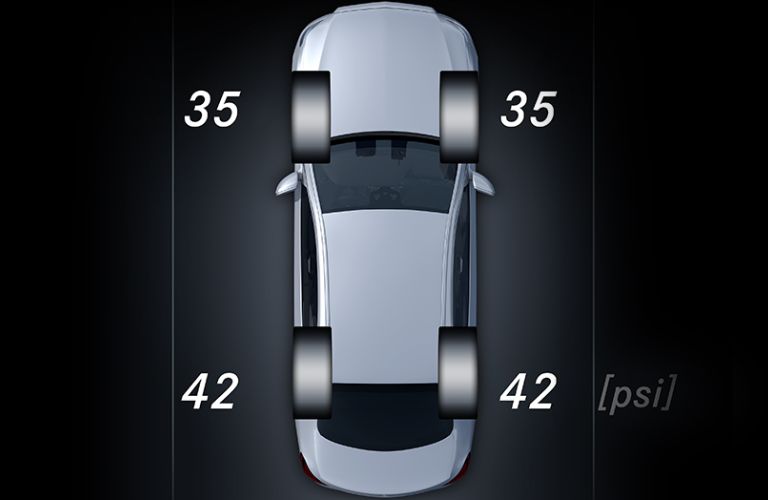
Modern Mercedes-Benz models are equipped with a Tire Pressure Monitoring System (TPMS). This system tracks tire air pressure and alerts you on the dashboard if the pressure drops below factory specifications. As a result, you can address issues early, before they affect performance or safety.
There are two types of TPMS: direct and indirect. Direct TPMS uses sensors inside each tire to measure PSI in real time. Indirect systems calculate pressure from wheel speed data. Either way, the goal is simple- help drivers maintain proper inflation.
So, what is the recommended tire pressure for Mercedes-Benz Vehicles? In most models, the recommended PSI ranges between 32 and 40 PSI, depending on the vehicle and load conditions. You’ll find the exact specification on the driver-side door jamb sticker or in the owner’s manual. Sedans like the C-Class may differ slightly from SUVs such as the GLE or GLS. Therefore, checking your specific model’s requirements is always wise.
Maintaining correct tire pressure promotes even tread wear and steady braking. On the other hand, overinflated tires can reduce grip, while underinflated tires may lead to overheating and premature wear. Keeping PSI within factory guidelines protects both performance and comfort.
{Also Read: Where Can I Schedule a Wheel Repair Service in Peoria, AZ?}
Mercedes-Benz Tire Pressure Tips for Long Road Trips
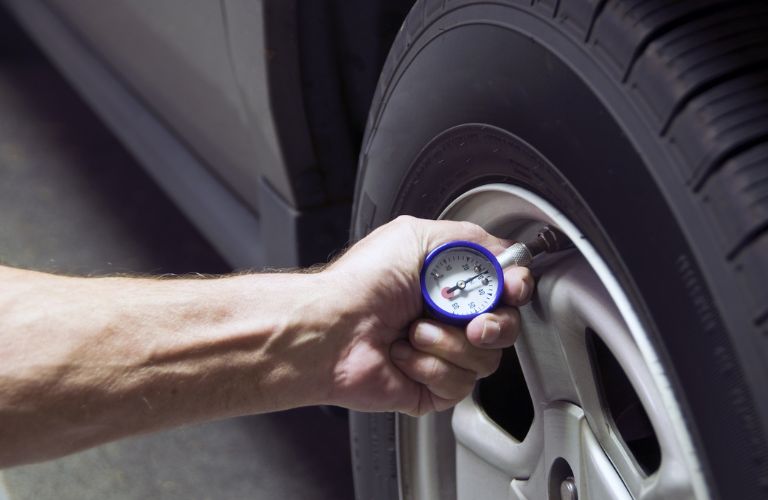
Planning a road trip? First, check your tire pressure when the tires are cold. Temperature changes can alter PSI readings, so early morning checks provide the most accurate results. Additionally, consider cargo weight. Extra luggage or passengers may require slight adjustments, as listed in your owner’s manual.
Next, inspect tires for visible damage or uneven wear. Even with TPMS alerts, a quick visual check adds peace of mind. It’s also smart to carry a portable tire inflator and gauge. During long drives, recheck the pressure after significant temperature changes, especially when crossing state lines.
Ultimately, keeping tires properly inflated supports stability at highway speeds and promotes better fuel economy.
{Also Read: Where Can I Get a Transmission Leak Inspection Service in Peoria, AZ?}
Schedule Expert Tire Service in Peoria, AZ
Proper tire pressure keeps your Mercedes-Benz driving the way it was built to perform. If you need help checking PSI, resetting your TPMS, or inspecting tire wear, schedule a service appointment at Mercedes-Benz of Arrowhead in Peoria, AZ. Our trained technicians provide accurate tire checks, system diagnostics, and model-specific recommendations so you can drive with confidence.
{Also Read: What Makes a Vehicle Vibrate While Driving? Key Issues to Check}