A Guide to Safe and Secure Child Safety Seat Installation
Keeping young passengers safe starts with choosing and installing the right child safety seat for your vehicle. Whether you’re driving a luxury sedan or an SUV with executive rear seats, understanding the correct installation process is essential for every family trip. A guide to safe and secure child safety seat installation covers important considerations, from checking seat compatibility to correctly securing the restraint system. Visit Mercedes-Benz of Arrowhead in Peoria, AZ, to explore helpful information about child passenger safety and your vehicle’s seating features.
What Parents Should Know About Child Safety Seat Installation?
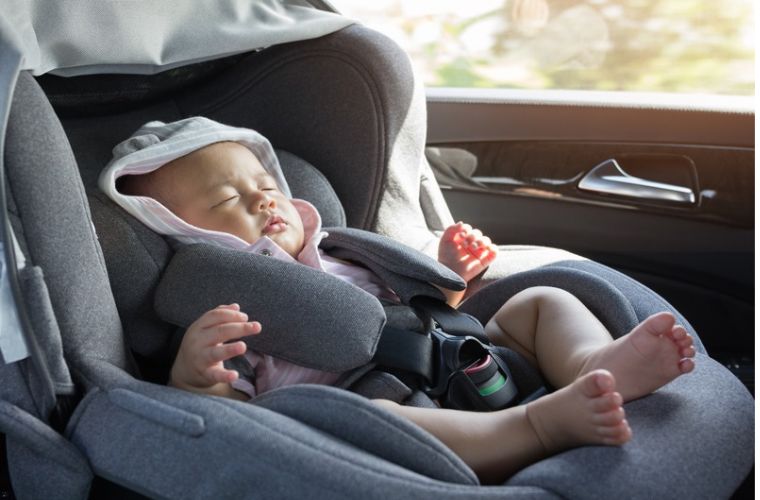
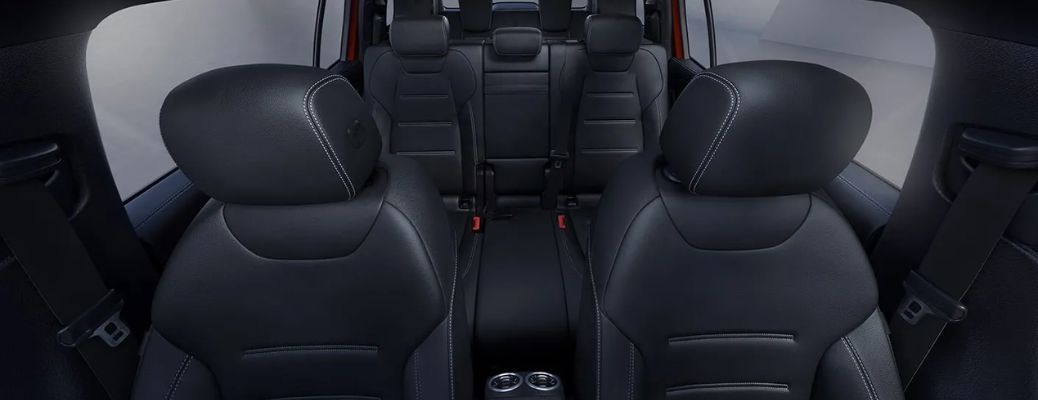
Before installing a child safety seat, parents should check the vehicle owner’s manual and the child seat manufacturer’s instructions. Executive rear seats may feature individual seating arrangements, adjustable head restraints, or reclining functions, which can affect installation. Therefore, never assume that every seating position is compatible with every child restraint.
First, select a seat appropriate for your child’s age, height, weight, and developmental needs. Rear-facing seats generally provide the best protection for infants and young toddlers, and children should remain rear-facing until they reach the seat’s specified limits. Next, check whether the seating position supports installation using the vehicle’s lower anchors or a seat belt. Not every executive rear seat includes the same child-restraint anchorage points.
Additionally, never place a rear-facing child safety seat in front of an active frontal airbag. If you’re unsure about compatibility, consult your vehicle and child seat manuals or seek help from a certified Child Passenger Safety Technician (CPST).
{Also Read: Why Does My Car Smell Like Gas? What It Could Mean}
A Step-by-Step Look at Child Safety Seat Installation and Safety Checks
Installing a child safety seat correctly requires attention to detail. Follow these steps while referring to the instructions for your specific vehicle and restraint.
- Choose a compatible seating position: Check the owner’s manual to identify approved child-restraint locations and any restrictions affecting executive rear seats.
- Position the child seat: Place it in the correct direction for your child’s age, size, and restraint requirements. Adjust the recline angle according to the manufacturer’s instructions.
- Secure the seat: Use either the approved lower anchors or the vehicle seat belt, following the child seat instructions. Do not use both methods unless the manufacturer specifically permits it.
- Tighten and check: Pull the seat belt or lower-anchor strap tight. Along the belt path, the installed seat should not move more than 1 inch side-to-side or front-to-back.
- Check the harness: Position it according to the seat manufacturer’s instructions. It should fit snugly, with the chest clip positioned as instructed.
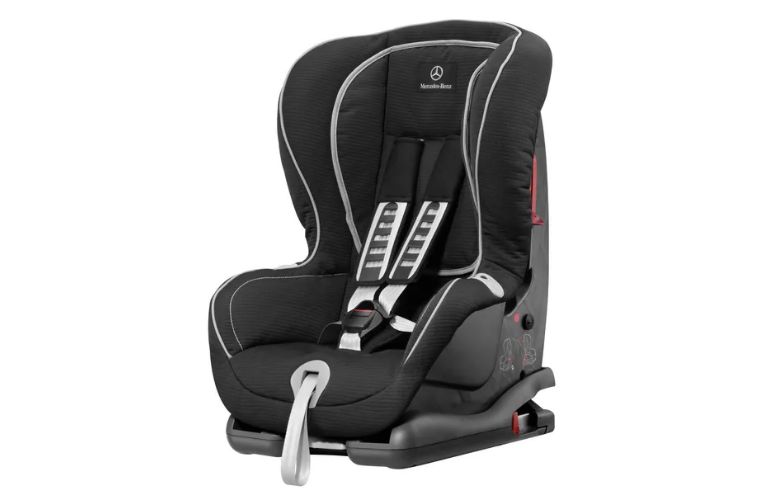
Finally, confirm that the seat does not interfere with seat-belt buckles, airbags, or vehicle functions. Avoid making unauthorized changes to executive seat mechanisms or head restraints.
{Also Read: What Is Automatic Lane Change Assist in a Mercedes-Benz?}
Prioritize Child Passenger Safety on Every Drive
Proper child safety seat installation helps protect your little passengers on everyday commutes and longer journeys. By checking compatibility, following manufacturer instructions, and inspecting the harness and restraints, you can travel with greater confidence. For more information about your Mercedes-Benz seating features, contact Mercedes-Benz of Arrowhead in Peoria, AZ. Our team can help you locate vehicle-specific guidance and direct you to appropriate child passenger safety resources.
{Also Read: What Mercedes-Benz Features Can Make Fall Driving More Comfortable and Safe?}